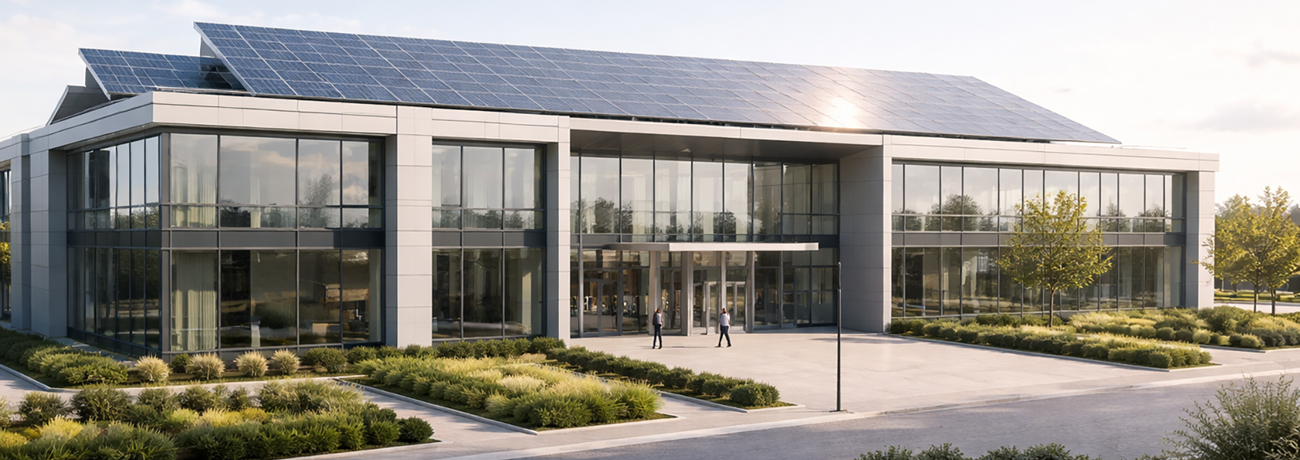
Commercial solar is often described as low maintenance, which is true up to a point. It is not high-drama plant with constant servicing needs, but it is still electrical equipment sitting on a working building, exposed to weather, dirt, heat, vibration and the ordinary wear that comes with time. Panels, inverters, isolators, cable runs, mounting systems and monitoring all need checking properly if the system is expected to keep performing year after year.
That matters more on commercial sites than people sometimes realise. A business may be relying on the system to cut daytime import, reduce peak strain, support wider energy planning or justify a capital outlay that looked sensible on paper. If output slips and nobody notices for months, the financial gap can grow in the background. Not dramatic - but potntially very expensive.
Panels, frames, roof penetrations, cable routes, isolators and inverter areas are checked for damage, wear, corrosion, loose fittings or signs of water ingress.
Generation data is compared with expected output, recent weather patterns and historic site performance to spot underperformance that might otherwise be missed.
Key electrical components are tested as needed to identify faults, degradation or safety issues before they turn into bigger problems.
For many commercial systems, monitoring is the difference between knowing and assuming. A site manager may see the inverter lights on and think everything is fine, while one string has been underperforming for weeks or a fault has taken a section of the system offline. Unless somebody is looking at the data, that sort of problem can drag on.
Good monitoring does not need to be complicated, but it does need to be used. Output trends, inverter status, fault alerts and comparisons across arrays can show whether the system is performing broadly as expected. On larger sites, especially those with multiple inverters or more than one roof section, this becomes even more useful. One area can drift out of line without it being obvious from a casual glance.
Not every commercial solar array needs regular panel cleaning. In many settings, rainfall and panel angle will do enough to keep surfaces reasonably clear. Even so, that is not universal. Dust from yards, traffic film near main roads, bird fouling, agricultural residue, nearby exhaust vents and industrial grime can all affect output over time.
Flat or shallow-pitch roofs can be a particular nuisance. Water does not always wash debris away cleanly, and dirt can build up around lower edges. Some sites never need a dedicated cleaning routine. Others do, and the only sensible way to know is to inspect and compare performance rather than assume the weather is taking care of it.
Panels tend to get the visual attention because they are the obvious part of the system. Inverters are usually where maintenance conversations become more practical. They are doing the harder working job electrically, and they are often the first major component people worry about as systems age.
Ventilation, internal temperature, error logs, fan operation where fitted, and general operating condition all matter. If an inverter trips repeatedly, overheats, throws up warnings or performs oddly under load, the system may continue running in a reduced or unstable state. That is the sort of issue that can chip away at output while remaining just plausible enough to escape notice for a while.
That last point catches people out. A maintenance visit on a warehouse, factory or office building may need permits, access coordination, traffic segregation or scheduled timing around production and dispatch. Roof work is never just roof work on a busy site.
Some issues show up quickly after installation. Others take longer. Cable damage, loose connectors, water ingress, deteriorating seals, failed isolators, inverter faults, reduced string output, damaged panels, monitoring failures and mounting wear can all appear over the life of the system. Most do not start as spectacular failures. More often it is a drift, a warning, a dip in output, a nuisance trip, a section not pulling its weight.
That is one reason maintenance should not only be reactive. Waiting until generation drops sharply or the whole system fails tends to be the expensive way to manage commercial solar.
There is no single answer for every site. A straightforward rooftop system on a clean, accessible building may need less hands-on attention than an array on a more exposed industrial site with dust, plant exhausts, heavy roof traffic or awkward access arrangements. The size of the installation matters as well. So does how closely the business depends on the energy savings.
In practice, many businesses sensibly combine ongoing monitoring with periodic inspection and servicing. That gives a better chance of catching smaller issues before they become longer outages or awkward repair jobs. It also helps with warranty support, record keeping and insurance discussions where evidence of proper upkeep may be useful.
Solar maintenance is not just about energy generation. The condition of the roof beneath and around the system matters too. Loose components, blocked drainage, poorly managed cable routes, disturbed roof finishes or unplanned foot traffic can create headaches that have less to do with the panels themselves and more to do with the building envelope.
That is another reason commercial systems need a joined-up view. Facilities teams, roof contractors and solar specialists sometimes end up looking at the same area from different angles. The smarter approach is making sure those angles line up before small issues become blame-shifting exercises six months later.
Keeping a clear maintenance history helps track recurring faults, output trends and component condition across the life of the system.
Where problems arise, service records and fault logs can help show that the system has been maintained and investigated properly.
Longer-term maintenance planning makes it easier to budget for inverter replacement, access needs and future roof works without nasty surprises.
At its best, commercial solar maintenance keeps the system safe, keeps performance where it ought to be, and reduces the chance of drawn-out faults going unnoticed. It also gives the business a clearer view of whether the installation is doing the job it was expected to do. On some sites that means stable daytime savings. On others it means supporting a wider plan around battery storage, peak demand or resilience.
The main point is simple enough. Solar may be quieter than a generator and less hands-on than a lot of other plant, but it still needs proper attention. Left alone for too long, even a good system can drift from productive asset to slightly neglected roof feature. That is not the idea.
If a business is considering solar, maintenance is worth discussing before the system goes on the roof, not after. Access, monitoring, inverter location, roof layout and future servicing all affect how easy the system will be to manage once it is live. A cleaner design on paper can turn into an awkward maintenance job later if those details are skipped.